
Font size:

Identity is one of the most foundational questions every human being must answer. Before we ask, What should I do?, Who should I marry?, or What is my purpose?, there is a deeper question that shapes every other decision:
Who am I?
On the journey to wholeness, identity is not simply about your name, occupation, achievements, personality, or the roles you play. It is about the core beliefs you hold about yourself—beliefs that influence how you think, feel, relate to others, and respond to life.
When identity is unclear, life often becomes a cycle of striving, comparison, approval-seeking, and fear. We begin to define ourselves by our successes or failures, our past mistakes, our trauma, the opinions of others, or the expectations placed upon us. As a result, we live disconnected from who we were created to be.
Wholeness begins when identity is rooted in truth rather than in circumstances. Your identity functions like the root system of a tree. Though the roots remain unseen, they determine the tree's strength, stability, and fruitfulness. In the same way, your identity silently shapes every area of your life.
Identity determines what you believe you deserve, the relationships you pursue or tolerate, how you respond to setbacks, the boundaries you establish, the goals you set, the risks you are willing to take, and ultimately, the life you create.
Many people spend years trying to change their behaviour without addressing the beliefs driving that behaviour. Yet lasting transformation begins with identity, because identity shapes behaviour, and behaviour reinforces identity.
Throughout life, many of us unconsciously accept labels assigned by family, culture, schools, workplaces, painful experiences, or even our own inner critic.
Identity is far more than the roles you occupy—whether as a spouse, parent, professional, business owner, student, caregiver, or leader.
Roles can change. Jobs can end. Children grow up. Relationships evolve. Health may fluctuate. When your identity is built entirely on roles, every life transition can feel like losing yourself.
When identity is wounded or distorted, emotional struggles often follow—not because people lack ability, but because they lack clarity about who they truly are.
The journey to wholeness invites you to replace inherited identities with intentional ones. It requires asking courageous questions such as:
- What labels have I accepted that are not true?
- What experiences have shaped the way I see myself?
- Which beliefs are truth, and which are merely assumptions?
- What strengths have I overlooked?
- What values truly define me?
- Who am I when no one is watching?
- What kind of person do I want to become?
Answering these questions sincerely gives birth to self-awareness—the doorway to authentic identity.
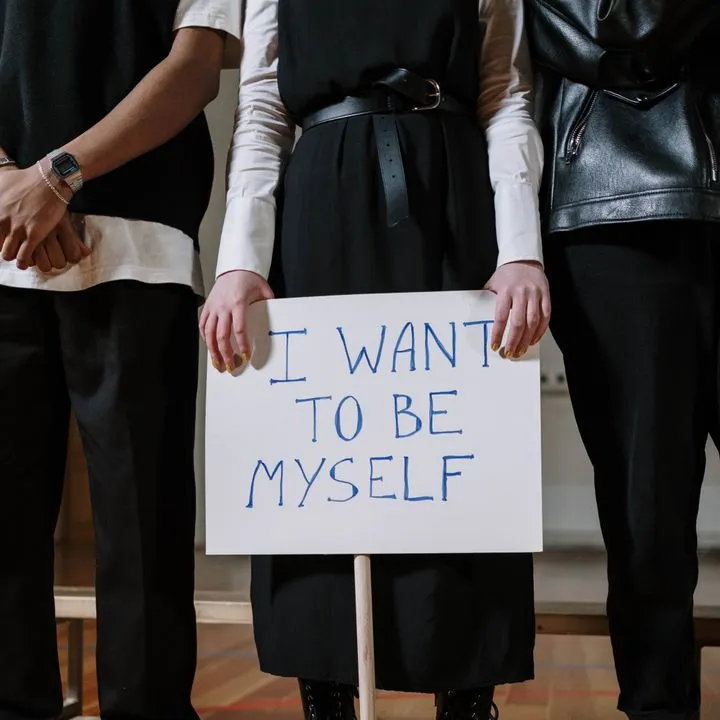
Wholeness is not about becoming someone else; it is about becoming the healthiest and truest version of who you already are.
Identity is the foundation upon which every other aspect of life is built. When you know who you are, you no longer need to chase validation, perform for acceptance, or hide behind masks. Instead, you can live with confidence, authenticity, and purpose.
At its heart, the journey to wholeness is a journey of remembering, rediscovering, and reclaiming your identity. As you become rooted in the truth of who you are, your relationships grow healthier, your choices become wiser, and your life begins to reflect the person you were created to be.
Live. Love. Laugh. Thrive. Bloom.
